


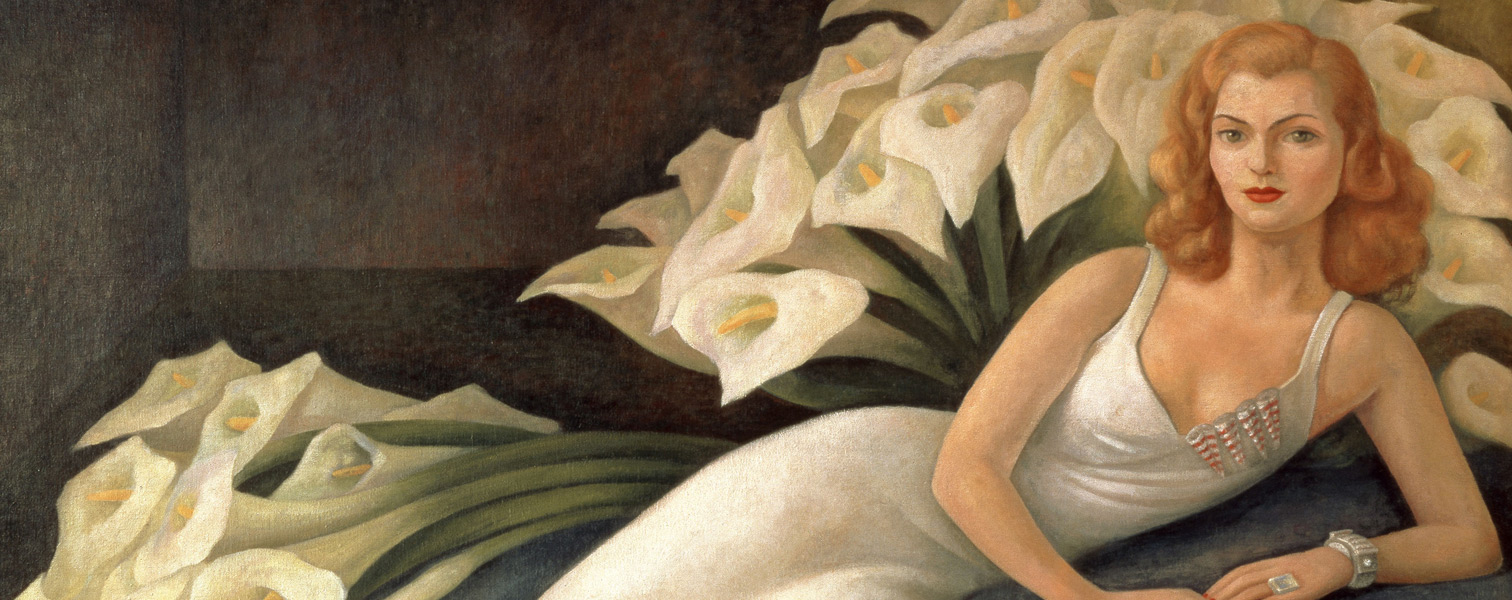
Modern Mexico in the Gelman Santander Collection
In the early 1920s, Mexico witnessed the emergence of a movement whose patriotic foundations had already been laid by the Mexican Revolution. At the same time, contact with Mexican artists and intellectuals who had temporarily moved abroad and discovered movements that made a radical break with the past, and the proximity of the United States and its burgeoning, bustling cities added a modernising impulse. Mexican avant-garde art was therefore the product of two seemingly contradictory tendencies: a willingness to embrace international creative idioms, and a desire to construct a national identity rooted in the pre-Columbian past and folk arts.
It was in this context, amid the ferment of post-revolutionary Mexico, that Jacques Gelman met Natasha Zahalka. Jacques came from a Russian family, while Natasha was born in what is now the Czech Republic. A visionary film producer, Jacques made his fortune by producing many of the biggest films featuring Mario Moreno in the iconic role of Cantinflas, a wily, working-class, urban underdog with a brilliant gift for parody, dubbed the “Charlie Chaplin of Mexico”. For this European immigrant couple, collecting paintings that captured the “essence of Mexico” was a means of gaining access to elite intellectual circles in their new home. Guided by Natasha’s keen instincts, the Gelmans acquired works by established names, but they also foresaw the success of artists whose career paths diverged from a male-dominated circuit, such as Frida Kahlo and María Izquierdo, the two women whose art they collected.
The Gelman Collection, which contained ninety-six pieces at the time of Natasha’s death in 1998 (Jacques had passed away in 1986), was shaped by some of the leading artists of their time, but also by the couple’s personal connections and friendships.
The exhibition, curated by Marisol Argüelles, proposes two parallel interpretations of this collection’s history: the evolution of an aesthetic that gave Mexican art a distinctive identity, and the more personal story of the Gelmans’ passion for collecting.
MODERN MEXICO IN THE GELMAN SANTANDER COLLECTION EXHIBITION CREDITS
ORGANISED AND PRODUCED BY
Faro Santander - Fundación Banco Santander
CURATOR
Marisol Argüelles
EXHIBITION DESIGN
Marta Redondo
GRAPHIC DESIGN
Ángel Rodríguez
LIGHTING DESIGN
Oier Ituarte
CONSERVATION AND RESTORATION
Pilar Chaves Castanedo (TRESA Restauración)
MUSEOGRAPHIC PRODUCTION
Formak
EXHIBITION INSTALLATION
Giroa Veolia
GRAPHIC PRODUCTION
Serisan
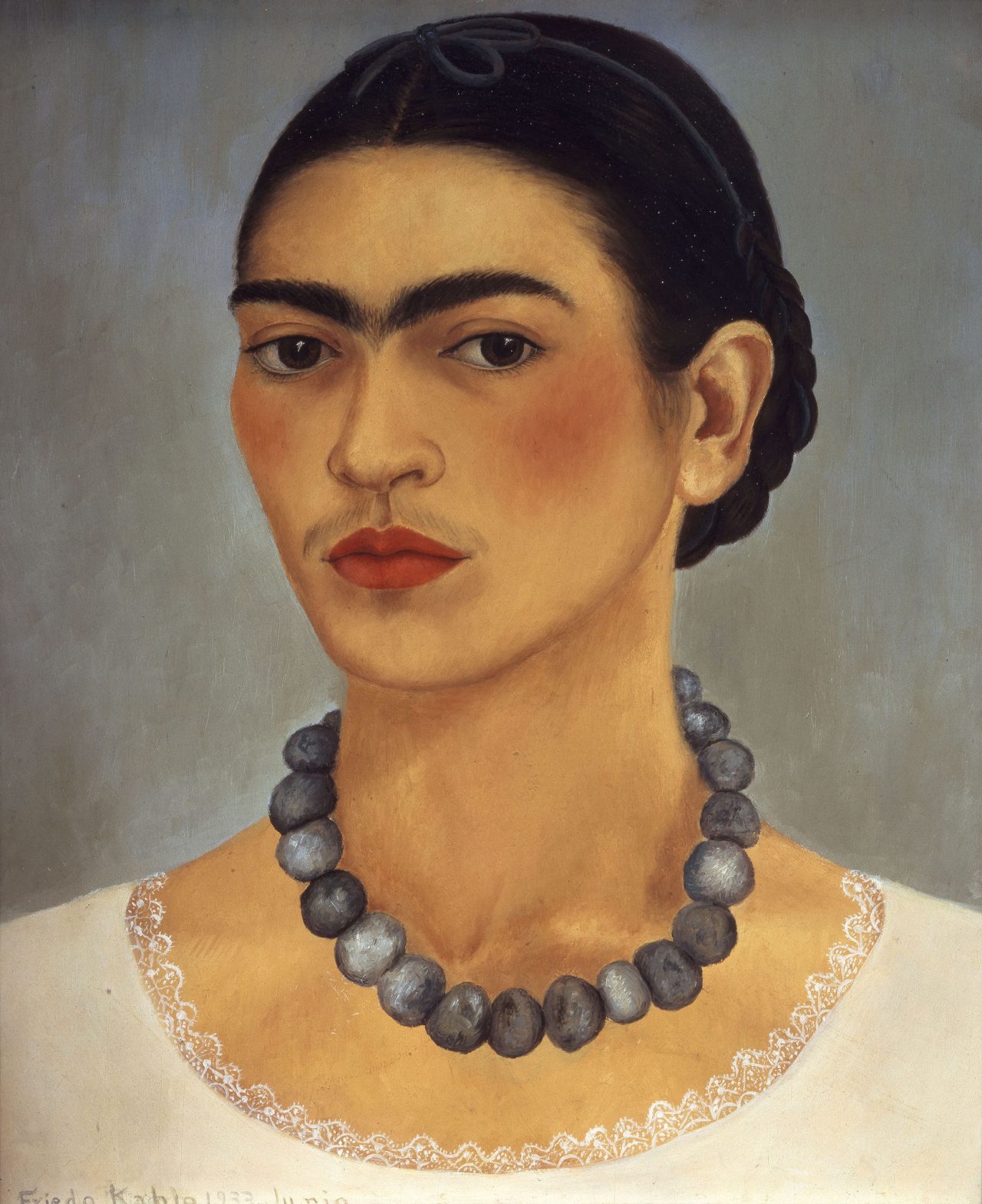
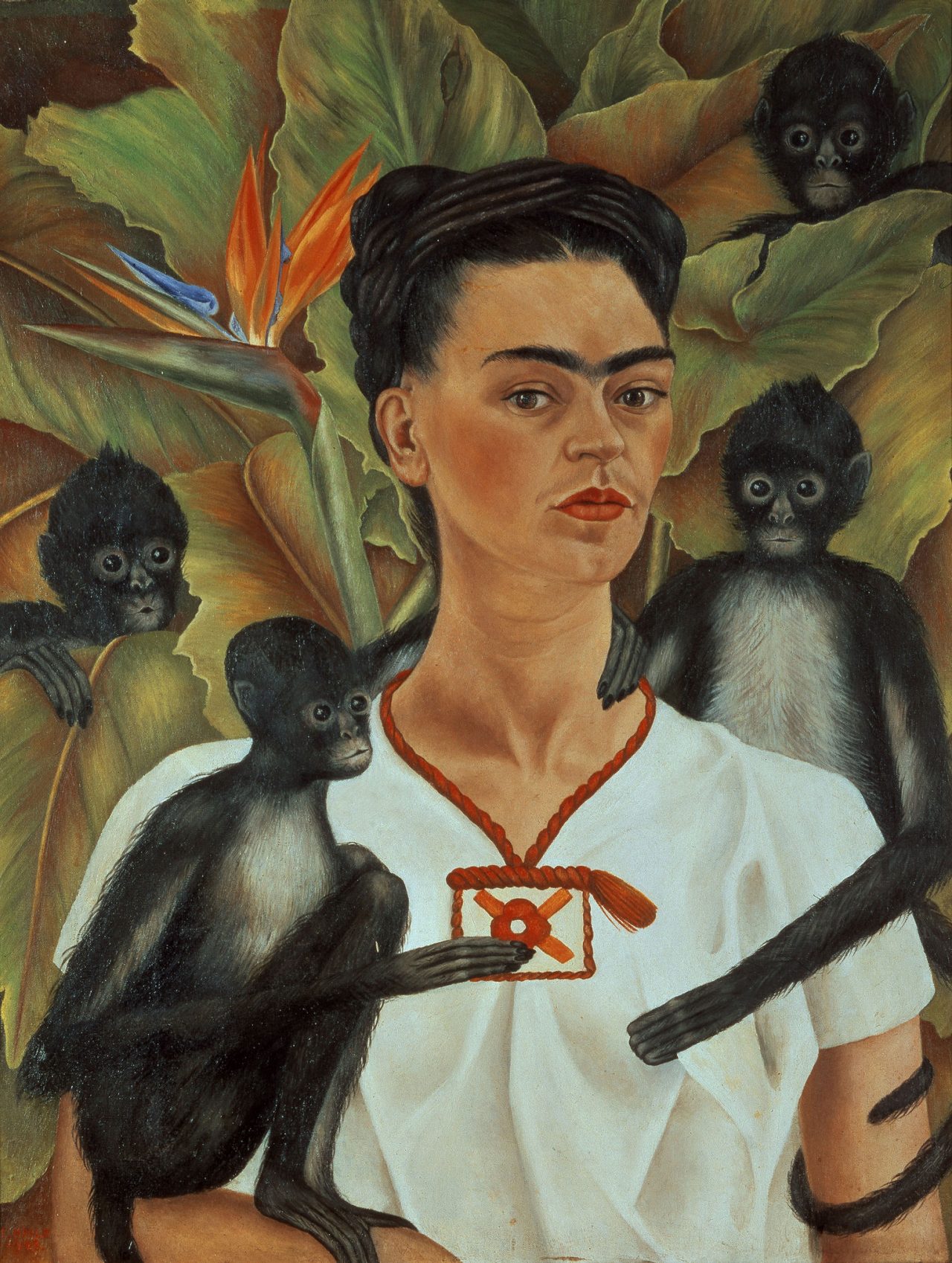
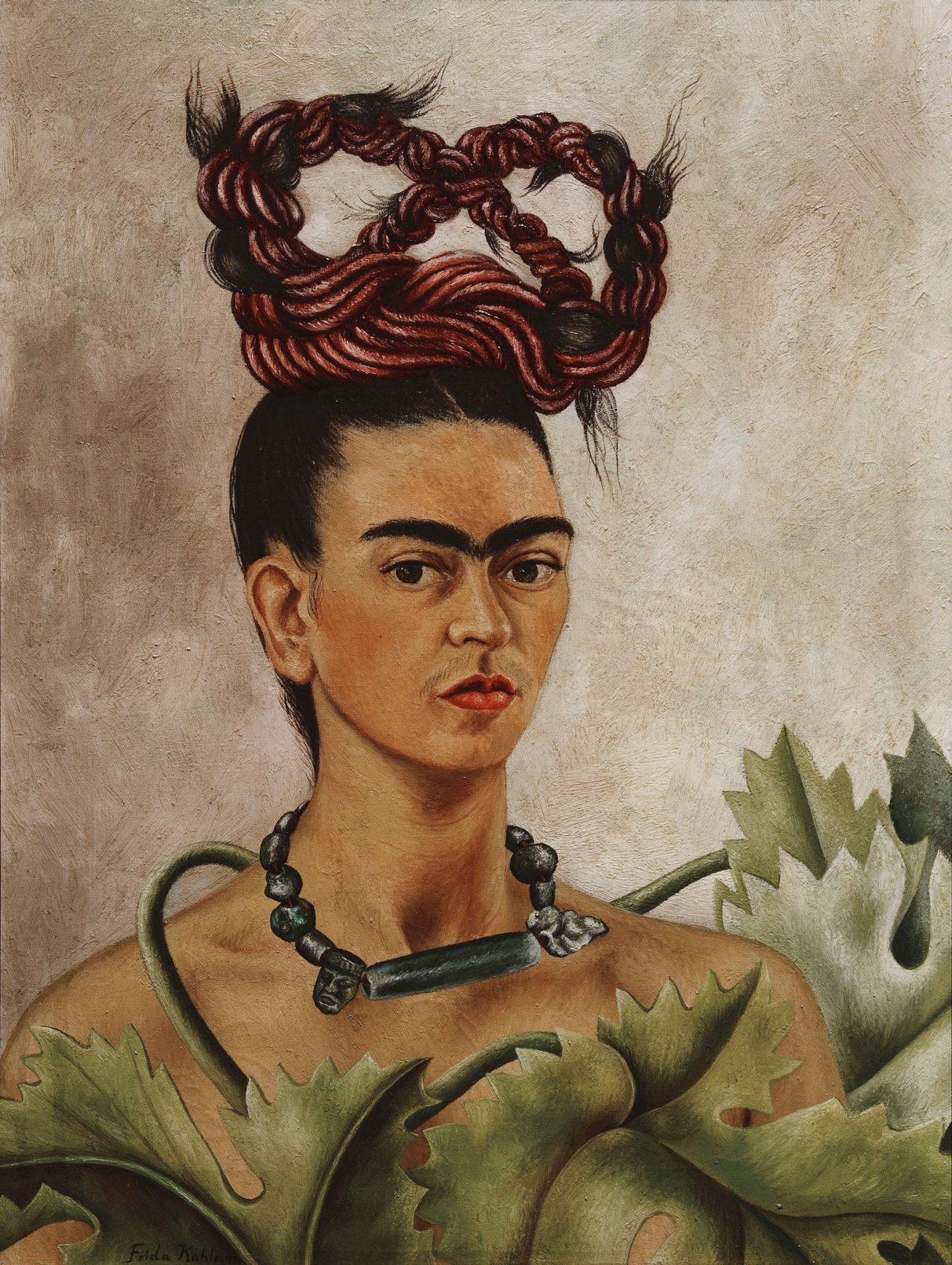
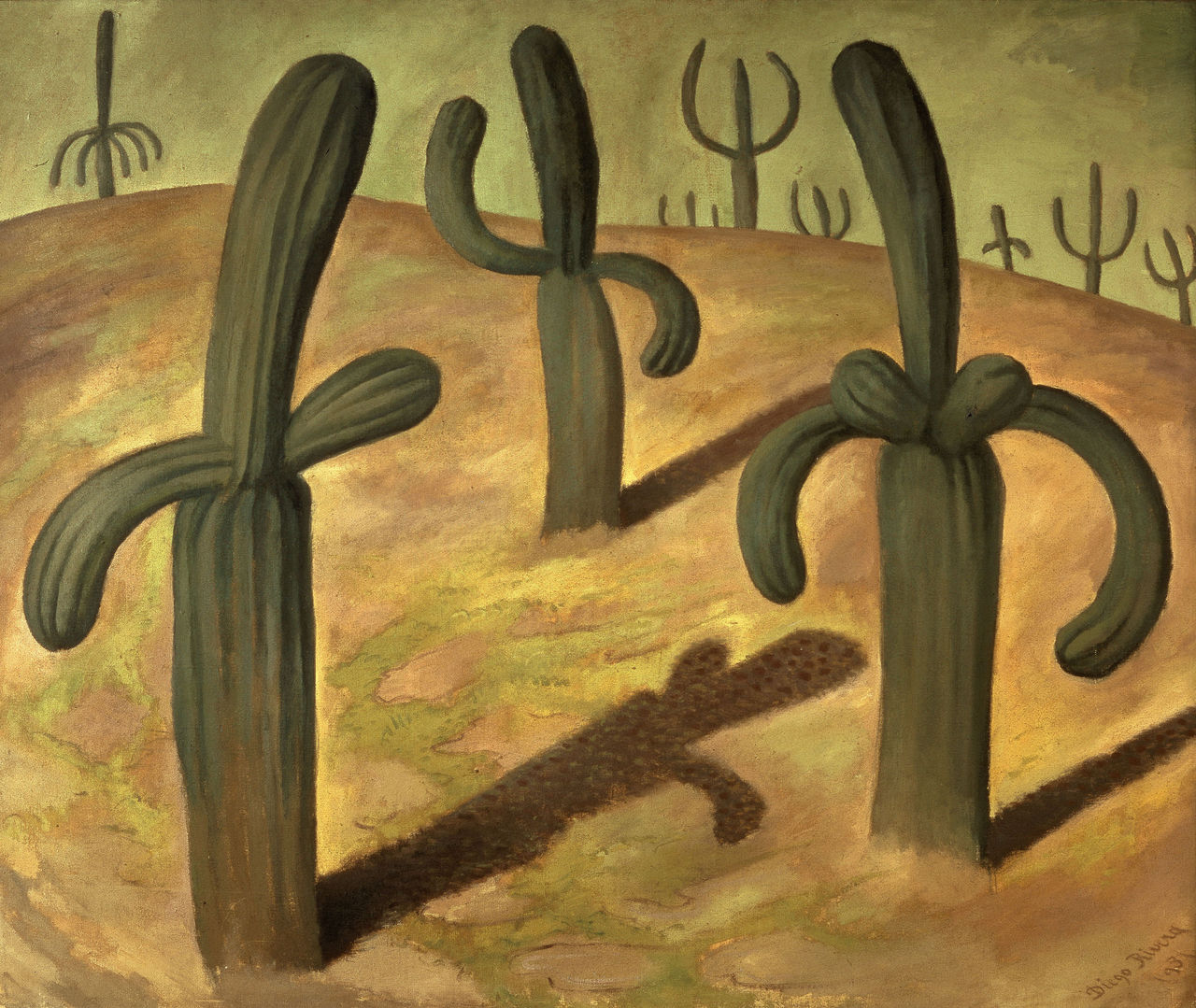
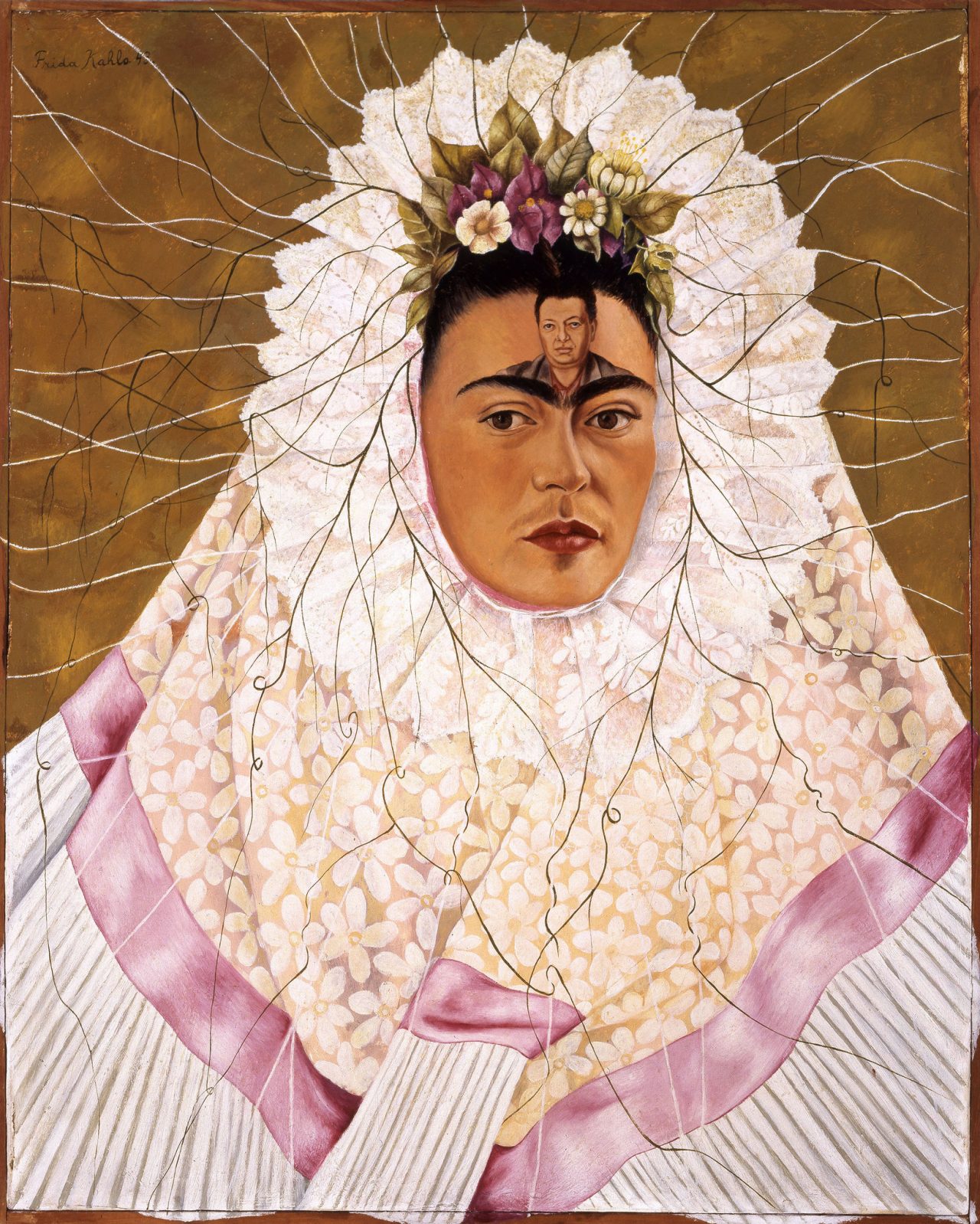
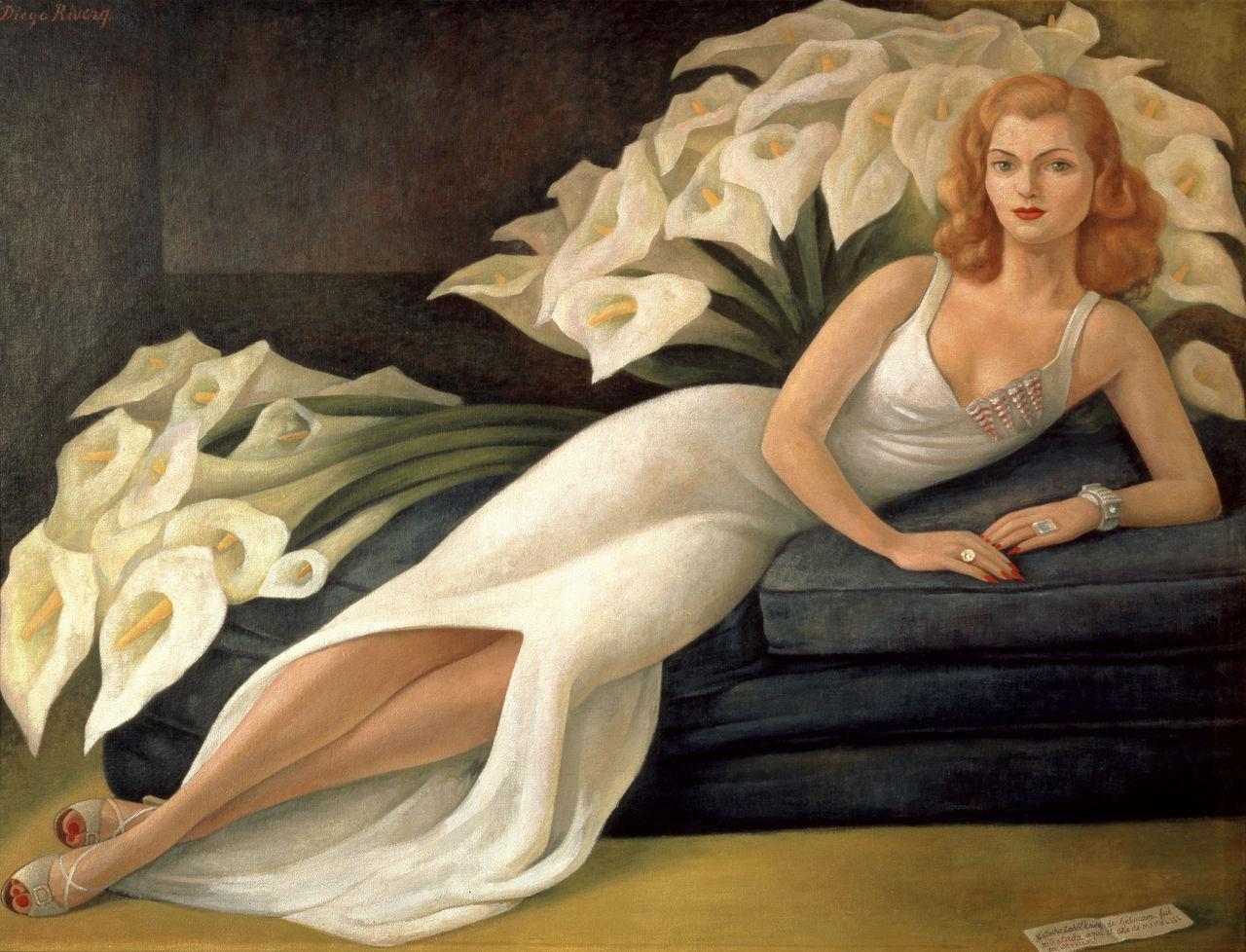
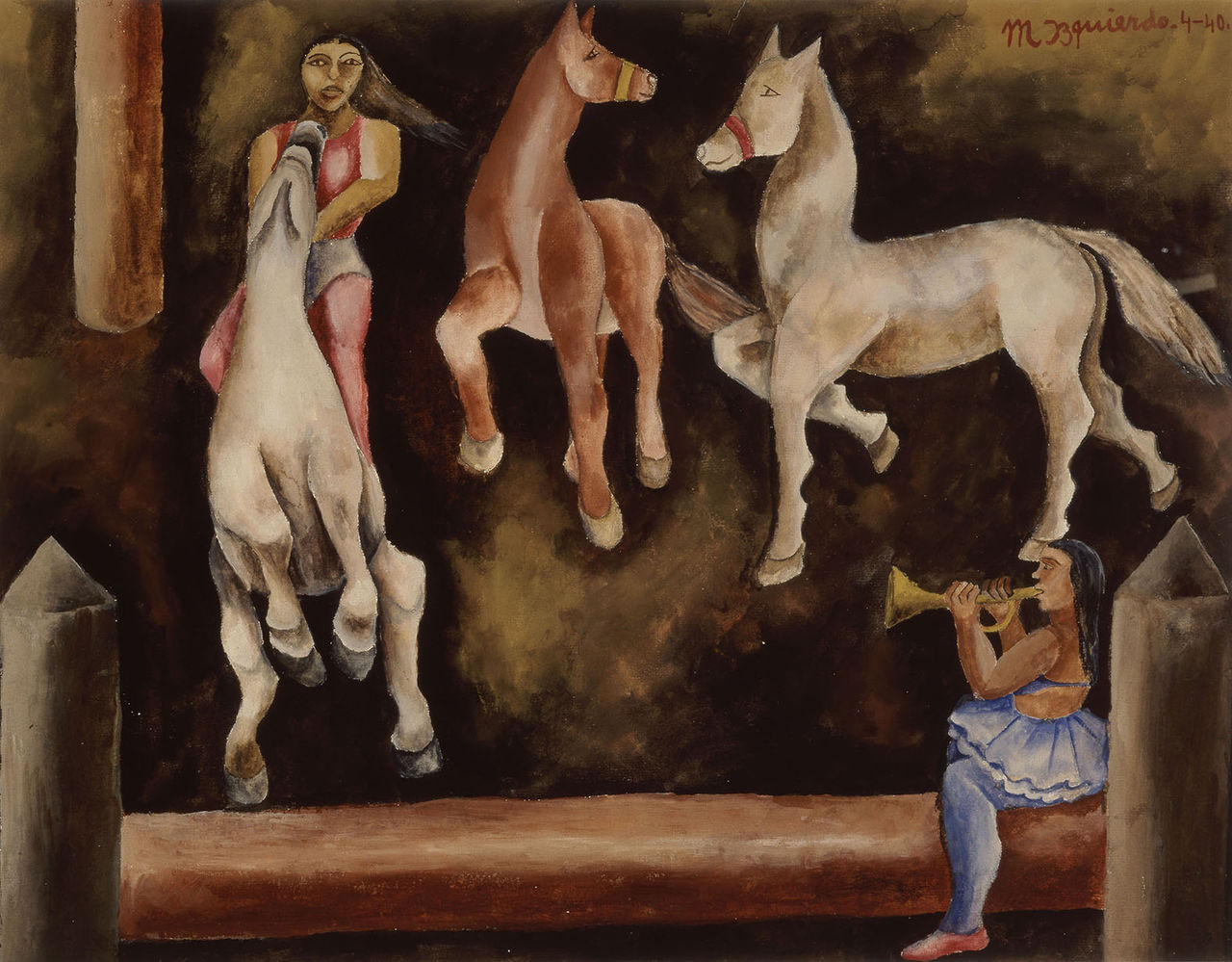
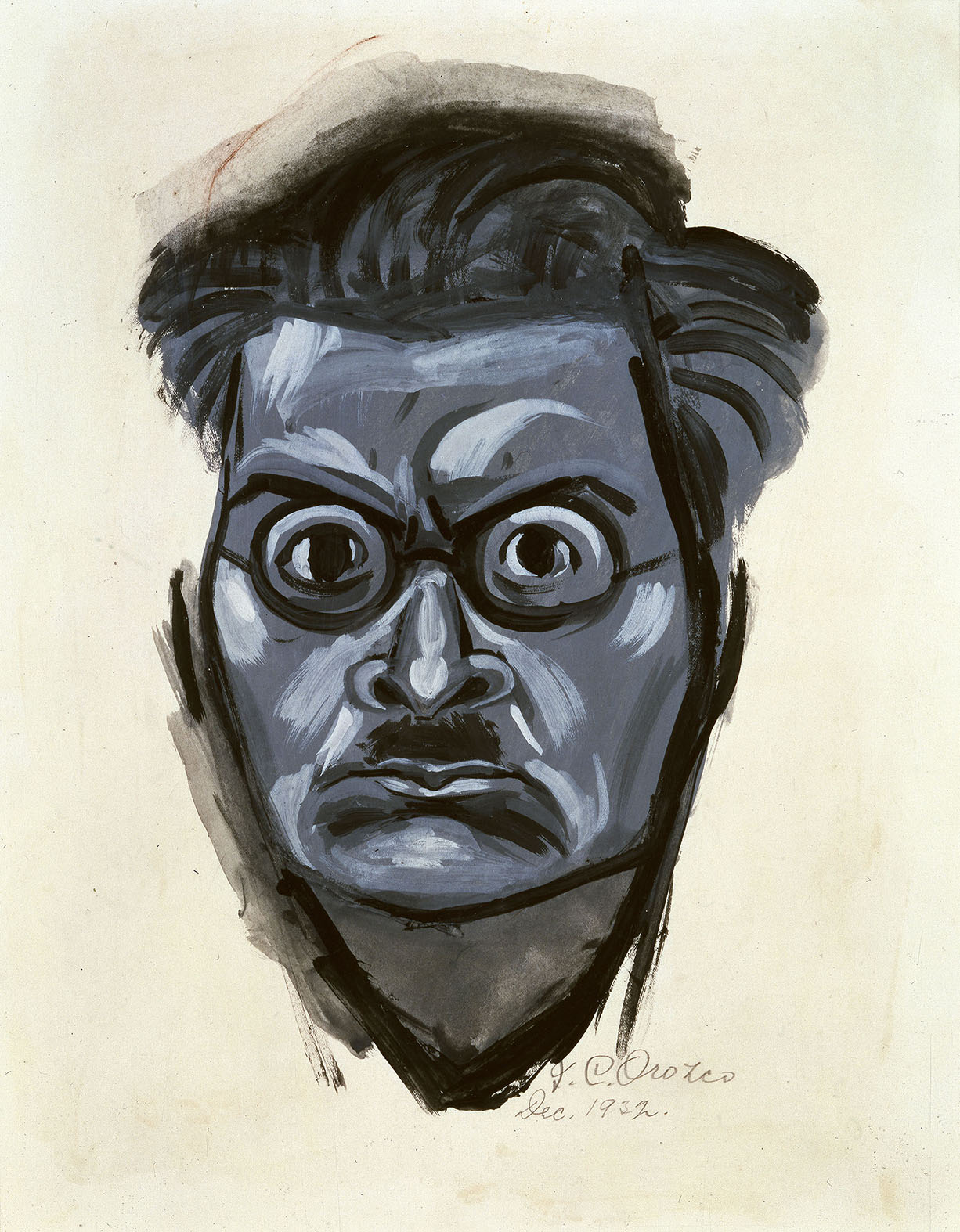
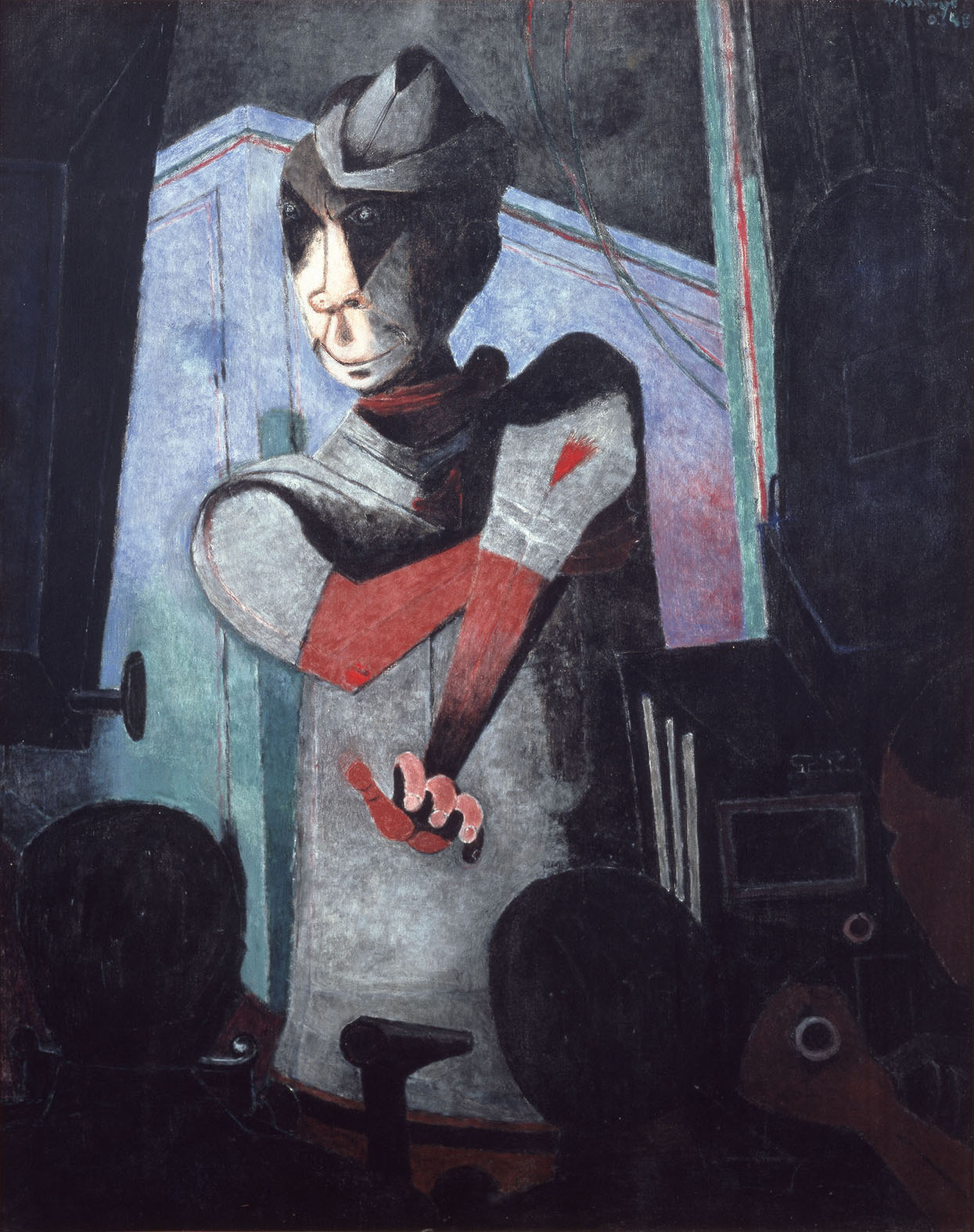
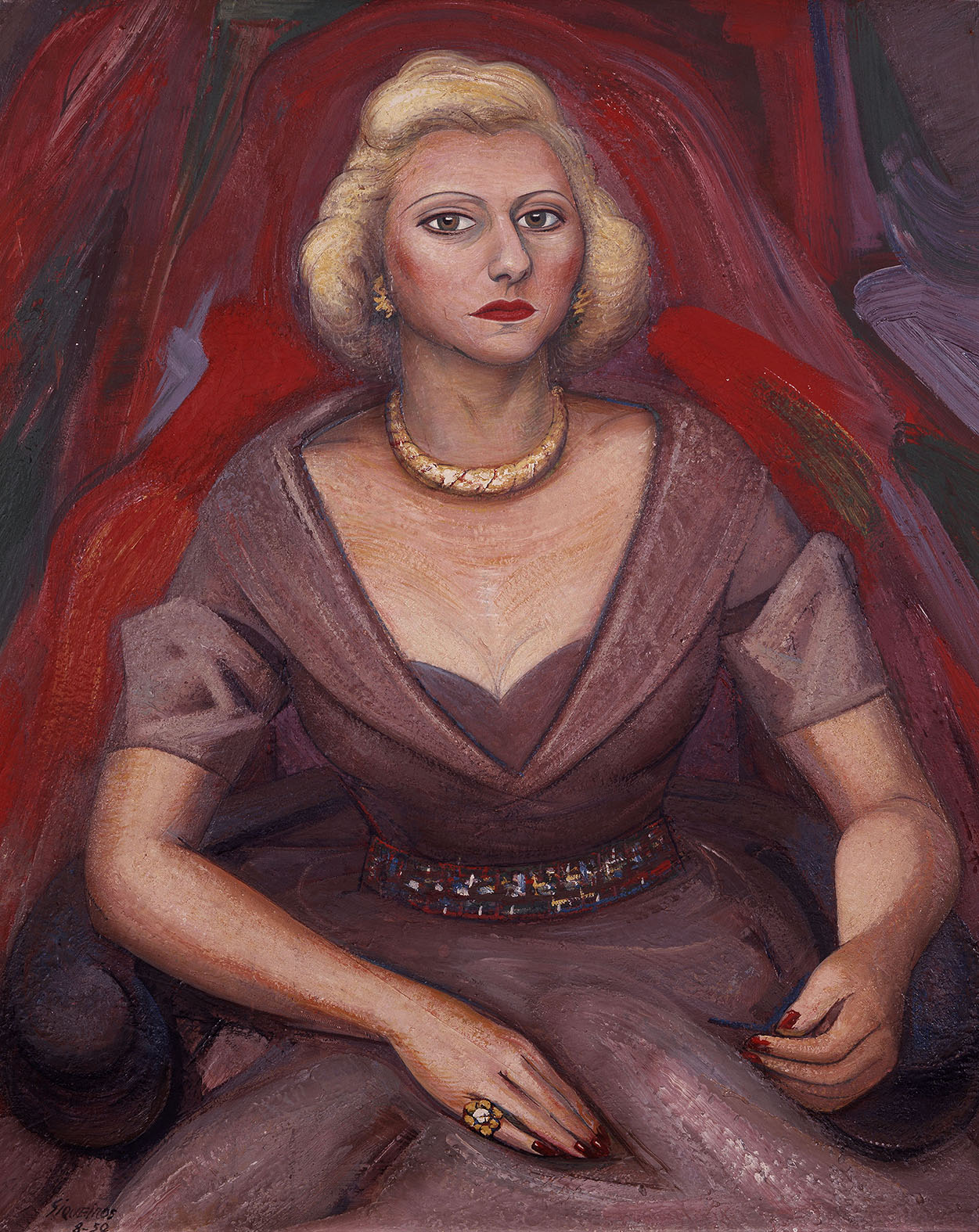
The exhibition will be accompanied by a publication offering a journey through the Gelman Santander Collection via a selection of works by its leading artists, including Frida Kahlo, Diego Rivera, José Clemente Orozco, María Izquierdo, Rufino Tamayo and David Alfaro Siqueiros, as well as photographers Lola Álvarez Bravo, Manuel Álvarez Bravo and Gabriel Figueroa.
The catalogue includes essays by Marisol Argüelles, Sylvia Navarrete and Estrella de Diego, providing different critical and contextual perspectives on the significance of the Collection. This original publication will be available from the Faro Santander shop from 8 September.
Pº de Pereda 9-12
39004, Santander (Cantabria)


